Why the Fotona 4D Laser Facial (TimeWalker) Is Trending

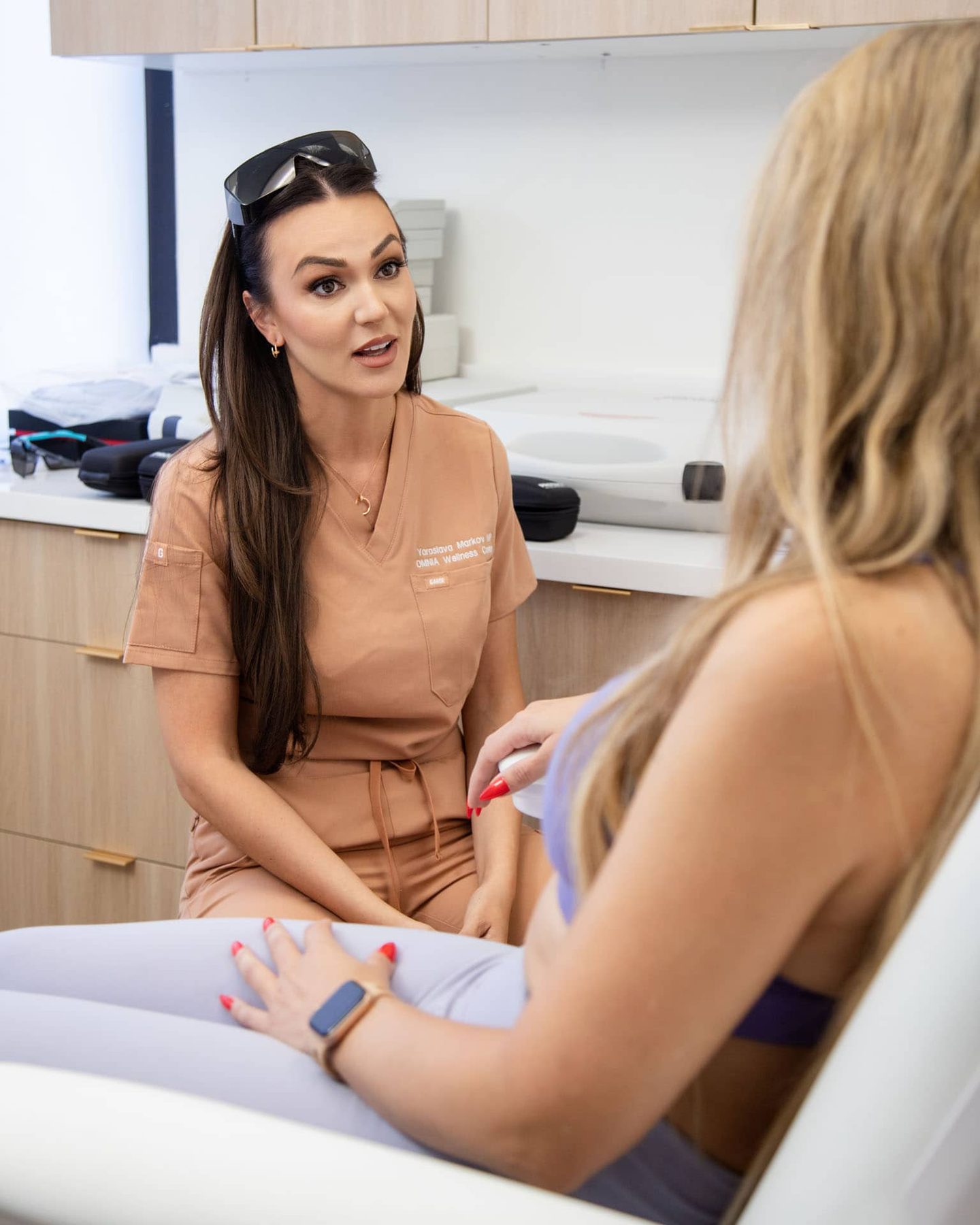
The Fotona 4D Laser Facial (TimeWalker) has moved quickly from insider treatment to frequent talking point in aesthetic clinics, skincare circles, and patient consultations. That rise is not just the result of clever branding. It reflects a broader shift in what people want from cosmetic treatments: visible improvement, minimal downtime, less reliance on injectables alone, and a result that looks fresher rather than obviously “done.”
For years, facial rejuvenation conversations were often split between two camps. On one side, there were creams, peels, and conventional facials that felt pleasant but often delivered subtle or short-lived changes. On the other, there were more aggressive lasers and procedures that could produce dramatic outcomes but came with social downtime, discomfort, or a recovery window many adults simply could not fit into real life. Treatments like the Fotona 4D Laser Facial (TimeWalker) sit in the middle of that gap, and that is a large part of why interest has surged.
What makes this treatment especially appealing is that it is not trying to solve just one issue. It aims to address texture, tone, mild laxity, collagen stimulation, and overall skin quality in a layered way. That multi-angle approach feels modern because patients are becoming more sophisticated. They do not always walk into a clinic asking for one isolated fix. More often, they say some version of, “I look tired,” or “My skin has lost bounce,” or “My lower face feels heavier than it used to.” Those concerns usually do not come from a single cause, so single-mode treatments can fall short.
Why this treatment feels different to patients
A lot of trending aesthetic procedures gain attention because of before-and-after photos. That matters, of course, but demand usually becomes sustained only when the patient experience matches the marketing. The Fotona 4D Laser Facial (TimeWalker) tends to generate repeat interest because many people feel it offers a practical balance of comfort, versatility, and visible change.
Unlike a treatment that focuses only on the surface of the skin, Fotona’s 4D concept combines several modes, often including an intraoral step, meaning treatment from inside the mouth to support tightening and volumization around the perioral and mid-face region. For patients, that sounds unusual at first. In practice, it often becomes one of the most memorable points in the consultation because it signals that the device is approaching the face three-dimensionally rather than simply polishing the skin from above.
That matters more than it may seem. The face ages in layers. The epidermis changes, pigment becomes less even, collagen declines, skin texture roughens, and tissue support weakens. When a technology addresses several of those dimensions in a single session plan, it tends to produce a more coherent result. Not necessarily dramatic after one visit, but more integrated.
Another reason people talk about it is downtime. Many patients want improvement they can fit around work, family obligations, social plans, and travel. If someone cannot be visibly recovering for a week, they often delay treatment indefinitely. A protocol that can create a brighter, tighter look without a prolonged healing phase naturally attracts attention, especially among professionals in their thirties, forties, and fifties who want a strategic refresh rather than a complete reset.
The “4D” concept, explained in plain language
One reason this treatment can sound more mysterious than it actually is is the name. “4D” invites a lot of assumptions. In real clinical use, it refers to a sequence of treatment modes designed to work at different depths and from different angles. Clinics may vary in how they present it, and some package it under the TimeWalker platform, but the central appeal remains the same: one treatment plan, multiple tissue targets.
Typically, the approach combines tightening from the inside of the mouth, deeper collagen stimulation, fractional resurfacing, and a lighter polishing or finishing step for the skin surface. That sequencing is useful because rejuvenation rarely comes from one temperature setting or one depth alone. The skin often needs support from within and refinement at the surface.
Patients often understand it best when it is described as “layered remodeling.” That phrase is simple, and it is accurate enough for everyday consultation. You are not just exfoliating. You are not just heating one zone. You are creating controlled stimulation in a staged way so that the skin can respond by looking firmer, smoother, and more reflective over time.
What has helped this treatment trend is that its concept is easy to grasp once it is explained. People like procedures that Fotona 4D Laser Facial (TimeWalker) sound advanced but make intuitive sense. A treatment that works inside, deep, and on the surface is easy to visualize. It sounds comprehensive, and in many cases, it behaves that way.
The current beauty climate favors collagen-first treatments
A decade ago, many patients entered aesthetic medicine through injectables. That is still true for some, but the conversation has broadened. More patients now ask about collagen, tissue quality, and longevity. They have learned, often through trial and error, that volume alone does not fix crepey skin, enlarged pores, sun damage, or the general flattening of radiance that comes with time.
That change in mindset has opened the door for technologies like the Fotona 4D Laser Facial (TimeWalker). It speaks directly to the “skin quality” movement, which has become one of the biggest drivers in aesthetics. Better skin quality photographs well, wears makeup better, reflects light more evenly, and often makes the whole face look healthier even if no one can identify exactly why.
This is also why the treatment tends to appeal across age groups. Someone in their early thirties may want prevention and refinement. Someone in their mid-forties may be more concerned about laxity around the mouth and jawline. A patient in their sixties may be looking for a maintenance option that complements previous treatments without committing to surgery. Not every person will get the same level of result, but the treatment’s broad relevance helps explain its popularity.
The timing is right in another way too. Patients are increasingly wary of extremes. They want interventions that preserve expression and identity. Lasers and energy-based devices often fit that goal because they can improve the canvas of the skin without changing facial character. When done well, the result tends to read as rested, not reworked.
What clinics like about it, and why that influences trends
Treatments trend not only because patients ask for them, but because experienced practitioners continue offering them. That distinction matters. A procedure can go viral online and still disappear from reputable practices if outcomes are inconsistent or the treatment has too narrow a use case. The Fotona 4D Laser Facial (TimeWalker) has staying power in part because clinics can tailor it.
In practice, that flexibility is valuable. Every face ages differently. Some patients are thin-skinned and reactive. Others have thicker, oilier skin with texture concerns. Some need more focus around the mouth, others along the jawline, and others across the cheeks. A platform that allows providers to adjust depth, intensity, and sequence is more adaptable than a one-note treatment.
Providers also tend to appreciate treatments that combine well with broader care plans. A patient may use Fotona 4D as a standalone option, but it can also sit alongside good skincare, neuromodulators, selective filler use, biostimulatory treatments, or periodic maintenance sessions. Procedures that fit into a long-term strategy usually last longer in the market than those that promise one-time transformation.
There is also a practical business reason. If patients see enough benefit to return, and if treatment satisfaction is high without excessive aftercare, clinics are more likely to keep recommending it. That does not mean every trending treatment deserves the hype. It means sustained popularity usually indicates that both patient demand and provider confidence have aligned.
The social media factor, with a reality check
Social media has unquestionably accelerated awareness of the Fotona 4D Laser Facial (TimeWalker). Short videos of treatment steps, glowing post-treatment skin, and celebrity-adjacent references all help. Yet social platforms can flatten nuance. A polished thirty-second clip may leave viewers thinking the treatment is painless, universally appropriate, and capable of facelift-level results. That is not the right expectation.
The real strength of this treatment is not that it replaces surgery or solves every sign of aging in one session. Its strength is that it occupies a highly desirable middle ground. It can produce meaningful improvement for the right candidate while keeping downtime manageable. That is appealing, but it is still a treatment that depends on skin condition, age, goals, treatment settings, and the practitioner’s judgment.
Patients who do best are usually those who understand the difference between skin revitalization and structural repositioning. If someone has advanced jowling, heavy neck laxity, or significant volume descent, a non-surgical laser facial may improve quality and mild tightness, but it will not produce the effect of a surgical lift. On the other hand, for someone whose complaint is that they look worn out, less firm, and less radiant than they did a few years ago, it can be a very smart choice.
What happens during treatment, and what it actually feels like
The consultation should come first, and it should be detailed. Good providers assess skin type, sensitivity, pigment history, active acne, rosacea tendency, prior procedures, and whether the patient is prone to post-inflammatory hyperpigmentation or cold sores. That groundwork matters because laser treatments should never be approached casually.
The session itself can vary by clinic protocol, but many patients are surprised that it is more tolerable than they feared. The intraoral stage often feels strange rather than painful. Deeper heating passes can create warmth and snapping sensations. Surface-focused steps may feel pricklier. Topical numbing is sometimes used depending on the protocol and the patient’s sensitivity, though not every stage necessarily requires it.
Immediately afterward, most people look flushed. Some develop mild swelling, a warm sensation, or a temporary roughness as the skin responds. In many cases, the downtime is socially manageable, which is one of the major reasons the treatment has become so attractive to busy adults. That said, “minimal downtime” does not mean “no aftercare.” Sun protection, gentle skincare, and respecting the healing phase are still part of the deal.
Patients often ask when they will see results. There can be an early glow from swelling and light surface refinement, but the more meaningful improvement usually unfolds gradually as collagen remodeling takes place. That delayed payoff is important to understand. The treatment is popular partly because it can give a fresh look without obvious signs of intervention, and subtle, progressive change is often why.
Why it resonates with the “quiet luxury” approach to aesthetics
One reason this treatment fits the current moment so well is that beauty standards have become more restrained, at least in many professional and affluent circles. The goal is often polished skin, healthy contours, and believable youthfulness. People want to look expensive, rested, and well cared for, not overfilled or aggressively treated.
The Fotona 4D Laser Facial (TimeWalker) fits neatly into that aesthetic. It is less about creating a new face and more about improving the quality of the one you have. Better skin tension, softer lines around the mouth, a smoother texture, and more reflected light can change how someone is perceived without announcing exactly what they had done.
This is often where the treatment earns its strongest word-of-mouth referrals. Friends notice that someone looks good, but they cannot quite pinpoint the reason. Those are the results many patients prefer. In aesthetics, subtle success tends to be more durable than dramatic novelty.
Who tends to be a strong candidate
The treatment is often best suited to people with early to moderate signs of aging, mild laxity, textural changes, enlarged pores, and general skin dullness. It can also be useful for patients who want a non-surgical option before considering more Fotona 4D Laser Facial (TimeWalker) invasive procedures, or for those maintaining results after other treatments.
Good candidates often share a few traits:
- They want visible improvement, but not a drastic change in facial shape.
- They can commit to sun protection and sensible aftercare.
- They understand that a series may outperform a single session.
- They have realistic expectations about tightening versus lifting.
- They are being treated by someone experienced with laser settings and skin assessment.
That last point is not a footnote. Laser outcomes depend heavily on practitioner judgment. Two clinics may advertise the same technology and still deliver very different experiences. Settings, sequencing, patient selection, and the willingness to say “not yet” or “not this treatment” all matter.
Where expectations need to stay grounded
The strongest articles about aesthetic trends are the ones that make room for limits, and this treatment has them. It is not ideal for every skin concern, every skin type, or every degree of aging. It can be part of a smart plan, but it is rarely the entire answer.
For deeper folds, significant sagging, or severe photodamage, patients may need combination care or a different approach entirely. Some will benefit more from another resurfacing modality, some from biostimulators, and some from surgery. A reputable provider should be able to say that plainly.
Cost is another factor. While pricing varies widely by region and clinic, this is not usually an entry-level facial. Patients are paying for device technology, practitioner expertise, and a treatment that addresses multiple layers in one plan. For some, that value equation makes sense. For others, a different sequence of treatments may be more efficient.
Then there is the matter of patience. Many aesthetic consumers still expect instant transformation because online content compresses time. Collagen treatments ask for a different mindset. You invest, heal, and wait for the tissue response. Patients who understand that process are usually much happier than those looking for overnight reversal.
Why it has become a go-to “bridge treatment”
One of the most practical reasons the Fotona 4D Laser Facial (TimeWalker) is trending is that it serves as a bridge. It can bridge younger patients from skincare into device-based rejuvenation. It can bridge injectable users toward more skin-focused maintenance. It can bridge post-procedure patients who want upkeep without repeating a bigger intervention too often.
That bridge role makes it commercially and clinically relevant. A treatment does not need to be the most aggressive on the market to become popular. It needs to meet people where they are. Right now, many patients want something more effective than a spa facial, less disruptive than ablative resurfacing, and more holistic than chasing one wrinkle at a time. This treatment meets that demand unusually well.
There is also an emotional component. Patients often feel more comfortable starting with a procedure that works with the skin’s regenerative response rather than adding volume or making a visibly abrupt change. That psychological ease should not be underestimated. Confidence in treatment choice influences satisfaction almost as much as the technical result.
What to ask before booking
Trend status should never replace due diligence. If someone is considering this treatment, the quality of the consultation is a better predictor than the quality of the clinic’s social feed. A useful discussion should cover medical history, expected benefits, likely downtime, contraindications, whether a series is advisable, and what result is realistically possible for that individual face.
A few smart questions can reveal a lot:
- How many of these treatments do you perform in a typical month?
- Which concerns on my face are most likely to improve, and which are not?
- What kind of downtime should I expect with your protocol?
- Do you adjust settings for my skin type and sensitivity?
- Would you recommend this alone, or as part of a broader treatment plan?
A provider who answers clearly, without overselling, is usually a good sign. The right aesthetic practice is not just trying to close a booking. It is trying to place the right treatment in the right sequence for the right patient.
The real reason it is trending
At its core, the popularity of the Fotona 4D Laser Facial (TimeWalker) comes down to fit. It fits the modern patient’s schedule, the modern patient’s aesthetic preferences, and the modern clinic’s move toward layered, personalized rejuvenation. It promises neither miracles nor mere pampering. Instead, it sits in the clinically useful middle, where many of the best non-surgical treatments live.
That is why it keeps showing up in conversations among dermatology practices, med spas, aesthetic dentists with facial programs, and patients who have become more educated about what skin rejuvenation can realistically do. It offers a credible answer to a common request: help me look fresher, firmer, and more polished, without making my life stop for recovery and without making me look unlike myself.
Trends in aesthetics come and go. Some are all novelty, and some endure because they solve a practical problem well. The Fotona 4D Laser Facial (TimeWalker) looks much more like the second category. Its appeal is not just hype. It is timing, technology, and a treatment philosophy that matches what many people are actually looking for now.
OMNIA Wellness Center
Address: 16430 Ventura Blvd Ste 207, Encino, CA 91436
Phone: (818) 386-8511
FAQ About Fotona 4D Laser Facial (TimeWalker)
What are the benefits of Fotona laser treatment?
OMNIA offers this treatment for concerns such as uneven texture, dull tone, and fine lines. Results and the number of sessions vary, so discuss your goals with a provider.
Is Fotona laser safe?
A qualified provider should review your skin, medical history, medications, and recent sun exposure to determine whether the treatment is appropriate. Ask about possible irritation, pigment changes, and aftercare before booking.
How much does a Fotona 4D facelift cost?
Price depends on the treatment plan and number of visits. Ask OMNIA for an itemized estimate during your consultation.