Why Patients Love the Fotona 4D Laser Facial (TimeWalker)
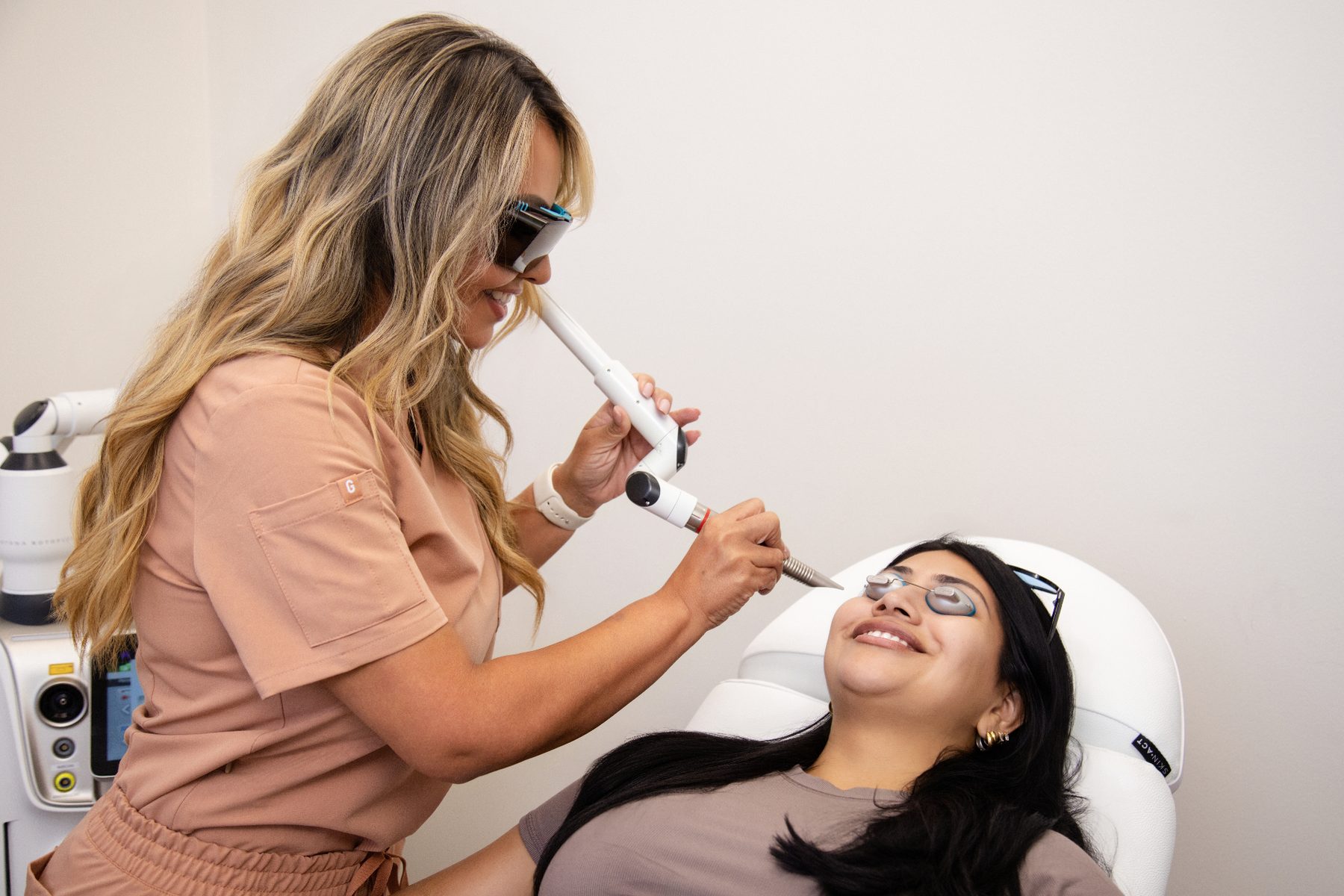

Walk into any busy aesthetics practice and ask what patients want from skin treatments, and the answers are remarkably consistent. They want firmer skin, softer lines, better texture, and a brighter overall look. They also want as little downtime as possible, minimal discomfort, and results that do not announce themselves from across the room. That combination is exactly why the Fotona 4D Laser Facial (TimeWalker) has developed such a loyal following.
Patients tend to describe this treatment in a very specific way. They do not usually say it made them look like a different person. They say they looked fresher, tighter, less tired, more polished. That distinction matters. The appeal of modern laser rejuvenation is no longer dramatic change at any cost. It is strategic improvement, achieved with enough precision that friends notice something positive without immediately guessing what was done.
The TimeWalker platform, often referred to in conversation as a Fotona 4D Laser Facial, stands out because it treats aging from several angles in one session. It is not just a surface polish. It addresses the skin externally and internally, including the inside of the mouth, to target laxity, texture, and fine lines in a layered way. That comprehensive approach is one of the biggest reasons patients come back for repeat sessions.
The treatment feels more complete than a standard facial
One reason patients love this treatment is simple: it feels like more than one procedure without necessarily behaving like a heavy procedure afterward.
A traditional facial can leave skin hydrated and glowing for a few days. There is value in that, and for many people regular facials are part of smart skin maintenance. But facials do not meaningfully tighten tissue or stimulate deeper remodeling in the way a laser can. On the other end of the spectrum, aggressive resurfacing procedures can produce striking change, but often with enough downtime that many working adults hesitate.
The Fotona 4D Laser Facial (TimeWalker) lands in a sweet spot. It combines several laser modes that work at different tissue depths and with different goals. In practice, this means the treatment can help with crepey texture, mild to moderate laxity, enlarged pores, early jowling, and overall dullness in a way that feels comprehensive rather than piecemeal.
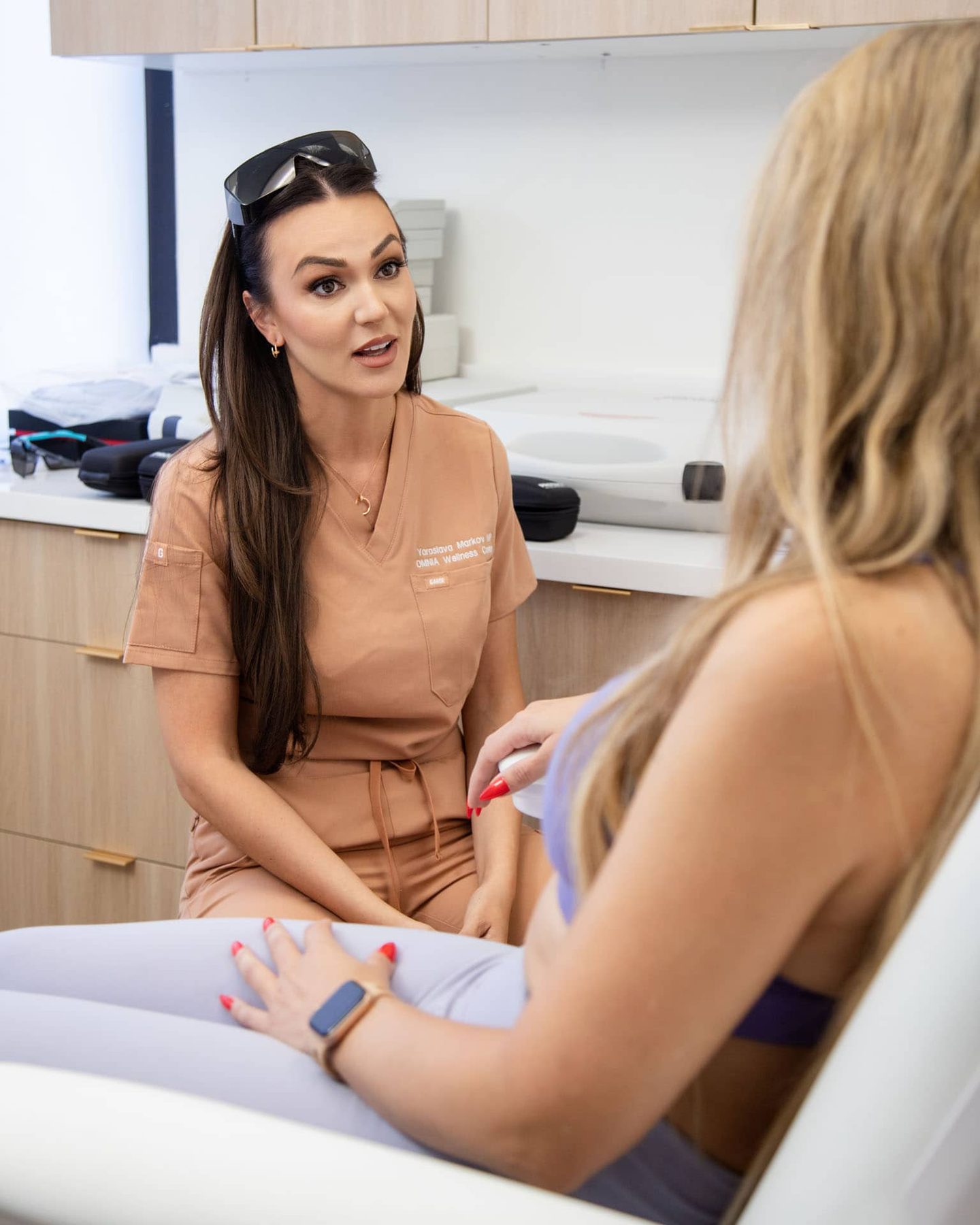
Patients notice this difference during consultation. When a treatment can address the lower face, the perioral area, skin tone, and textural refinement in one plan, it is much easier for them to see the value. They are not booking one appointment for the cheeks, another for fine lines around the mouth, and a third for superficial glow. The experience feels streamlined, and that convenience counts for a lot.
The inside-out concept makes intuitive sense
One of the signature features of this treatment is the intraoral component, where laser energy is delivered inside the mouth to heat tissue and encourage collagen remodeling. That sounds unusual at first, but it tends to make immediate sense once it is explained. Aging in the face is not purely a surface issue. Tissue support changes with time. Skin quality changes too. Treating only from the outside can help, but addressing support structures from the inside adds another layer.
This is often the moment when patients become especially interested. They understand topical products. They understand peels. They may even understand microneedling. But the idea of lifting and tightening around the nasolabial fold and perioral area from within the mouth feels innovative in a practical way, not in a gimmicky way.
In treatment rooms, that matters. Patients are not looking for novelty for its own sake. They want a rationale they can follow. TimeWalker has one. It uses staged laser delivery to target tissue at multiple levels, building toward a cumulative result. For someone who wants improvement but is not ready for surgery, that logic is deeply appealing.
Results tend to look natural, which is a major reason for patient loyalty
The people who are happiest with energy-based treatments are often the ones who want to look like themselves on a very good month. They want to soften the signs of fatigue and age without crossing into a look that feels overtreated.
That is where the Fotona 4D Laser Facial (TimeWalker) does particularly well. The treatment is known less for abrupt transformation and more for refinement. Skin often looks smoother and a bit tighter. Makeup sits better. Fine lines around the mouth and eyes can look less etched. The jawline may appear a touch cleaner, especially in patients with mild laxity rather than heavy tissue descent.
Those are subtle changes, but subtle does not mean insignificant. In aesthetics, subtle improvements are often the most satisfying because they integrate into the face naturally. A patient can still smile, squint, and talk without feeling altered. Their features remain their own.
A common pattern is that patients notice one result in the mirror and other people notice something slightly different. The patient may focus on texture because they see their skin up close every day. Friends or coworkers may simply say they look rested. That broad but understated benefit is part of the treatment’s charm.
Downtime is manageable for real life
The practical side of any aesthetic treatment cannot be overstated. It is one thing to want younger-looking skin. It is another to arrange work, school pickups, social commitments, and the simple reality of being seen in public while healing.
This is another area where the treatment earns its popularity. Most patients can tolerate the short-lived redness and warmth that follow a session. Depending on settings, skin can look pink for a day or two, occasionally longer. Some people experience a sandpapery texture as the skin turns over. With more intensive resurfacing components, recovery can be more noticeable, but it is still generally far easier than ablative laser procedures that demand a full social shutdown.
That makes the treatment attractive to professionals, parents, and anyone with a crowded schedule. They can often fit it into normal life with a bit of planning. A patient might schedule on a Thursday, look pink on Friday, and feel comfortable by the weekend. Not every case follows that exact timeline, but that kind of flexibility is a major selling point.
Patients also appreciate that the treatment can be tailored. Someone with an event coming up may choose a gentler approach. Someone focused on texture and willing to accept a few more recovery days might choose a stronger resurfacing component. That customization gives people a sense of control, which tends to improve overall satisfaction.
It treats the mouth area better than many patients expect
Ask experienced aesthetic clinicians where aging bothers patients most, and the mouth region comes up constantly. Fine lines above the lip, deeper folds around the mouth, early sagging in the lower face, and a general loss of firmness create a tired, older look quickly. This area is also frustrating because it can be difficult to treat well without overtreatment.
The TimeWalker approach has become especially popular among patients who are starting to notice these changes but are not interested in surgery. The intraoral step can support tissue contraction and collagen formation in a way that complements external resurfacing. Patients often report that the area around the mouth looks smoother and less crinkled, while the lower face feels a little firmer overall.
This matters because the perioral region gives away age early. Even when the forehead is smooth and the cheeks still have decent volume, smoker’s lines, lip edge softening, and lower-face laxity can make the whole face read older. A treatment that addresses this effectively tends to win strong patient loyalty.
There is also a psychological component. Many people become discouraged when creams do very little for this area. They may have tried peels, microneedling, or light devices with modest gains. When they see a laser protocol specifically designed to work both inside and outside the mouth, it feels more targeted and more serious.
Comfort is better than many people expect
Laser anxiety is real. Some patients hear the word “laser” and immediately imagine burning, peeling, or a week hidden at home with an ice pack. The reality with a Fotona 4D Laser Facial (TimeWalker) is usually far less intimidating.
Comfort varies with the settings used, the patient’s pain tolerance, and the practitioner’s technique. Most describe parts of the treatment as warm, prickly, or mildly zappy rather than truly painful. The intraoral component can feel odd simply because it is unfamiliar, but it is usually brief and very tolerable. External passes may feel hotter, especially in thinner-skinned areas, yet patients are often surprised by how manageable the session is.
That surprise feeds word of mouth. A patient who expects a harsh experience and ends up saying, “Honestly, it was easier than I thought,” becomes a powerful source of referrals. In aesthetics, comfort stories travel quickly.
Good operators make a difference here. Clear communication, thoughtful settings, effective cooling where appropriate, and honest expectation-setting all improve how patients perceive the session. The best outcomes usually come from clinicians who do not oversell comfort but know how to keep the experience controlled and efficient.
It fits a broad range of ages and concerns
Another reason patients love this treatment is that it does not belong to one narrow age group. A patient in their thirties may use it to get ahead of early laxity and maintain collagen support. Someone in their forties or fifties may want more visible tightening and texture improvement. Older patients may use it as part of a maintenance plan when they want rejuvenation without surgery, or after surgery to improve skin quality.
That flexibility makes the treatment easier to integrate into long-term care. It can serve as a first serious laser treatment for someone transitioning from facials and light peels into more advanced options. It can also be combined thoughtfully with injectables, skincare, or other energy-based treatments when the goal is comprehensive rejuvenation.
Not everyone is an ideal candidate, of course. Very significant skin laxity may be better served by surgical intervention. Deep volume loss may need fillers or biostimulatory treatments rather than laser alone. Pigment concerns and darker skin tones require careful assessment and appropriate settings. But within those normal clinical limits, the treatment covers a lot of ground.
Patients value that honesty. They respond well when a practitioner explains where the treatment shines and where it has limits. Satisfaction rises when the treatment is matched to the right problem rather than used as a universal answer.
The technology supports customization, and patients can feel that
To patients, technical details only matter if those details change the outcome. With TimeWalker, they do.
Different modes within the system can be adjusted for superficial polishing, collagen stimulation, tightening, and textural refinement. That allows the session to be shaped around the patient in front of you rather than delivered as a one-size-fits-all protocol. Someone with early crepey skin around the eyes may need a different emphasis than someone whose main issue is lower-face laxity. Another patient may care most about pores and acne scarring. The laser can be used strategically.
Patients may not know the engineering behind the platform, but they can usually tell when a treatment feels customized. Their consultation is more specific. Their provider talks about their upper lip lines differently than their cheek texture. The treatment plan sounds tailored, and that builds trust.
Trust is often what turns a one-time laser patient into a maintenance patient. When people believe the plan was designed around their face, not around a standard package, they are more likely to return.
It plays well with modern skincare and injectables
Very few patients pursue skin rejuvenation with a single modality anymore. Most combine professional treatments with at-home skincare, and many also use neuromodulators, fillers, or biostimulators. The good news is that the Fotona 4D Laser Facial (TimeWalker) generally fits well into that larger picture.
For example, a patient who gets regular toxin treatment may use the laser to address things toxin cannot fix, such as texture, pores, and skin tightening. A patient who has had filler may turn to TimeWalker because they want improved skin quality without adding more volume. Another patient may use prescription retinoids and pigment-control products at home, then layer in laser sessions a few times a year to accelerate collagen remodeling.
This complementarity matters because modern aesthetic patients are informed. They know one treatment will not solve every issue. They appreciate when a laser offers something unique rather than simply overlapping with what they already do.
There is also an important emotional angle here. Some patients are moving away from looking “done.” They want fewer syringes, more skin quality, better elasticity, and a healthy-looking face that holds up in daylight and high-definition phone cameras. TimeWalker speaks directly to that shift.
What patients should realistically expect
The happiest patients are not the ones promised miracles. They are the ones given a clear, grounded explanation of what the treatment can deliver.
Most people notice a degree of brightness and smoothness fairly early, sometimes within days to a couple of weeks once the initial healing phase settles. Tightening and collagen-related improvement are slower. That change unfolds over weeks and continues with a series. In many practices, a course of treatments is recommended rather than a single session, especially for laxity and more established textural concerns.
A common source of satisfaction is that the skin keeps getting better rather than peaking overnight and fading quickly. Patients like seeing improvement build. It feels worth the investment because the result has a progression to it.
Still, realistic boundaries matter. A laser facial is not a facelift. It will not erase heavy jowls, deeply etched folds, or substantial skin redundancy. It can, however, make a face look tighter, fresher, and more refined in a way that is meaningful to the right candidate. For many people, that is exactly the point.
The treatment has strong appeal for people who are surgery-curious but not surgery-ready
There is a Fotona 4D Laser Facial (TimeWalker) large category of patients who are not anti-surgery, they are just not there yet. They may be in their forties or fifties, noticing more lower-face looseness and deeper lines, but still wanting to stay on the noninvasive side for now. The Fotona 4D Laser Facial (TimeWalker) is attractive to this group because it offers a middle path.
It gives a more substantial approach than a spa facial or light exfoliating treatment, but without the commitment and recovery of an operation. Patients often say it helps them feel proactive. They are doing something meaningful for collagen and skin quality instead of waiting until they feel they need surgery.
Sometimes this delays surgery. Sometimes it simply improves the skin so well that if surgery happens later, the tissue quality is better going into it. Either way, patients tend to appreciate having options on the spectrum rather than being pushed from topical care straight into the operating room.
Why word of mouth around this treatment is so strong
Aesthetic treatments thrive or fail on lived experience. Patients talk about whether something hurt, whether it was worth the money, whether coworkers noticed, and whether they would do it again.
The Fotona 4D Laser Facial (TimeWalker) performs well in those conversations because it scores consistently in the areas that matter most. People like that it feels advanced but not extreme. They like that it can target the lower face and mouth area, where aging often bothers them most. They like that the skin usually looks healthier, not obviously altered. They like that they can often return to normal routines quickly.
Most of all, they like that the treatment makes sense. It is not sold as magic. It is sold as layered rejuvenation, done thoughtfully, with cumulative benefit. Patients respond to that kind of honesty. When results match the explanation, trust grows. And when trust grows, patients return, refer friends, and build treatment plans around what has OMNIA Wellness Center Fotona 4D Laser Facial (TimeWalker) already worked for them.
That is the real reason this laser facial has such staying power. It does not depend on hype. It earns loyalty the old-fashioned way, by delivering visible improvement that fits into real life.
OMNIA Wellness Center
Address: 16430 Ventura Blvd Ste 207, Encino, CA 91436
Phone: (818) 386-8511
FAQ About Fotona 4D Laser Facial (TimeWalker)
What are the benefits of Fotona laser treatment?
OMNIA offers this treatment for concerns such as uneven texture, dull tone, and fine lines. Results and the number of sessions vary, so discuss your goals with a provider.
Is Fotona laser safe?
A qualified provider should review your skin, medical history, medications, and recent sun exposure to determine whether the treatment is appropriate. Ask about possible irritation, pigment changes, and aftercare before booking.
How much does a Fotona 4D facelift cost?
Price depends on the treatment plan and number of visits. Ask OMNIA for an itemized estimate during your consultation.