How Seasonal Skincare in Encino, CA Can Include Fotona 4D Laser Facial (TimeWalker)
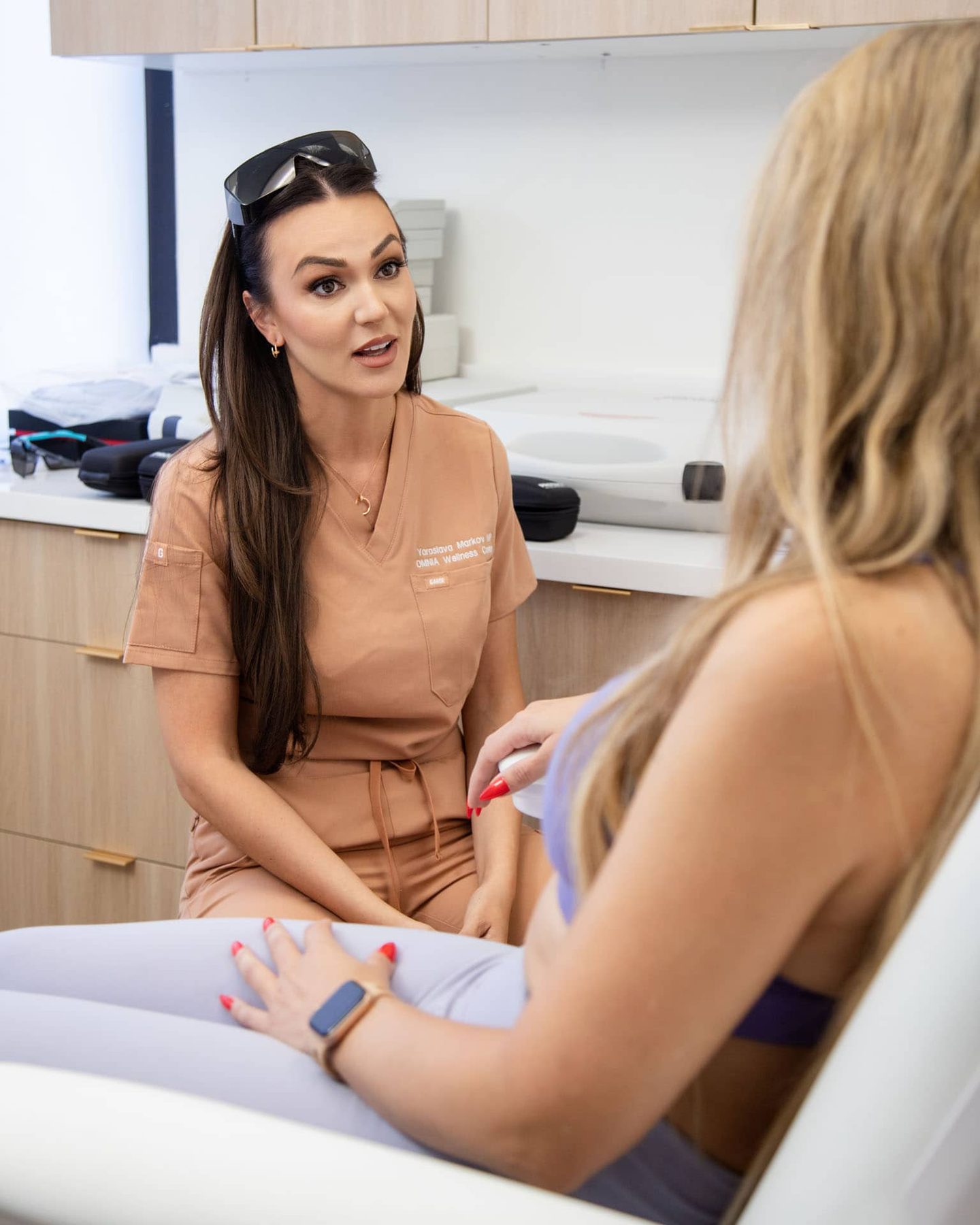
Seasonal skincare in Encino has its own logic. The Valley climate is not especially forgiving, and skin often reflects it before people realize what has changed. A summer stretch of intense sun, dry heat, and frequent outdoor time can leave the complexion uneven, dehydrated, and more reactive than usual. Then winter brings cooler mornings, indoor heating, and a different kind of dryness, one that can make fine lines look deeper and texture feel rougher. Spring and fall are transitional, but they are not neutral. They are often when skin shows the cumulative effects of the months before.
That is why a thoughtful skincare plan in Encino rarely looks the same all year. The right routine changes with sun exposure, humidity, activity level, and how the skin barrier is behaving in the moment. For some people, that means adjusting cleansers and moisturizers. For others, especially those trying to address laxity, texture, enlarged pores, or a tired-looking complexion, it can also mean adding in-office treatments at strategic times.
One treatment that increasingly fits into that conversation is the Fotona 4D Laser Facial, also known in some practices under the TimeWalker platform. When people search for Fotona 4D Laser Facial (TimeWalker) Encino, CA, they are usually not looking for a one-size-fits-all facial. They want to know whether it makes sense for their skin, their schedule, and the season they are in. That is the more useful question.
Why seasonality matters more in Encino than many people think
Encino residents deal with a fairly specific combination of environmental stressors. There is abundant sunshine for much of the year, low humidity compared with coastal neighborhoods, and a lifestyle that often includes driving, outdoor exercise, weekend hikes, tennis, pool time, or simply repeated incidental sun exposure. Even diligent sunscreen users can accumulate visible wear over time.
Skin does not respond to weather changes in a neat, textbook way. A patient might come in after summer with pigment that looks worse, but the bigger issue underneath is inflammation and dehydration. Another might come in during winter convinced they need stronger exfoliation, when what they actually need first is barrier support because their skin is tight, dull, and over-stripped. Timing matters because the same treatment can feel very different depending on whether the skin is well hydrated, recently sun-exposed, or already irritated from active products.
That is where seasonal planning becomes practical rather than trendy. It helps determine when to emphasize repair, when to stimulate collagen, when to back off, and when to combine home care with procedures for a more durable result.
Where Fotona 4D fits into a year-round skincare plan
Fotona 4D is not a seasonal gimmick. It is better understood as a collagen-stimulating, texture-refining treatment that can be placed strategically within a broader plan. The reason it gets attention is that it addresses multiple concerns at once. Depending on how a provider customizes it, the treatment can target skin tone, surface texture, mild laxity, fine lines, and overall skin quality.
The “4D” concept refers to multiple treatment modes and tissue depths, including work done both externally and, in many protocols, internally inside the mouth to target the perioral area. That intraoral component is one of the reasons people often describe it differently from standard facials. It is not simply about exfoliation or a temporary glow. The aim is more structural, with stimulation that can support firmer-looking skin and smoother texture over time.
TimeWalker branding may vary by practice and device configuration, but the broader appeal is similar. Patients who do not want the downtime associated with more aggressive resurfacing are often interested in treatments that can refresh and tighten without a long recovery window. That does not mean there is no recovery or no aftercare. It means the trade-off can be more manageable for the right person.
In practical terms, Fotona 4D Laser Facial (TimeWalker) Encino, CA often becomes part of a maintenance rhythm rather than a one-off appointment before an event. Some people start in fall, after summer sun exposure settles down. Others use winter as their treatment season, when they are less tan, more indoors, and better positioned to protect healing skin from strong UV exposure. Spring can also work well if sun habits are disciplined. Peak summer is where judgment matters most.
Fall is often the reset season
If I had to pick one season when this treatment tends to make intuitive sense for many Encino patients, fall would be high on the list. By September or October, people often notice that sunscreen alone did not fully prevent the subtle changes that accumulate through summer. The skin can look thicker in some areas, rougher in others, and less reflective overall. Pigment may be more visible, pores may appear larger, and the lower face can seem a bit slack from a mix of collagen loss, heat, dehydration, and general wear.
Fall is useful because it creates a psychological reset as much as a physiological one. People are usually back into a regular schedule after summer travel. They can commit to aftercare, hydration, and sun protection more consistently. They are also less likely to be heading straight to the beach after treatment.
For the right patient, a fall series can help address the aftermath of long UV exposure while building momentum before the holidays. The improvement is not necessarily dramatic overnight. The better way to think about it is cumulative refinement. Texture softens. The skin can look more rested. Fine crepiness around the mouth or lower face may appear less obvious. Makeup tends to sit better on skin that is smoother and less dry.
Winter gives room for collagen-focused treatments
Winter in Encino is not harsh by national standards, but Fotona 4D Laser Facial (TimeWalker) Encino, CA it still changes skin behavior. The mornings are cooler, heaters run more often, and transepidermal water loss becomes more noticeable in many patients. This is also the season when a lot of people feel comfortable scheduling treatments that need a little planning, because they are spending less time outdoors and are often more committed to home recovery.
This is one reason winter is often favored for laser-based rejuvenation. When active tans have faded and people are less likely to have recent sunburn or intense UV exposure, evaluation is simpler and aftercare tends to be easier. The skin can still be dry, though, so pre-treatment preparation matters. A dehydrated barrier can make any procedure feel more irritating and can complicate the first several days afterward.
There is also a subtle aesthetic advantage in winter treatment timing. Collagen remodeling takes time. Patients who begin a plan in winter are often pleased that by spring the skin looks stronger and smoother without the appearance of having done something abrupt.
Spring is a transition, not a free pass
Spring is one of the most misunderstood times for in-office skincare. People feel renewed, social calendars pick up, and they want brighter, tighter skin fast. That is reasonable. The problem is that spring in Southern California often means an immediate increase in outdoor activity. Longer days lead to more incidental exposure even for people who are not intentionally sunbathing.
Fotona 4D can still fit in spring, but only if the patient is realistic about sun protection. Someone who is heading into tennis season, outdoor brunches, hikes, and weekend pool gatherings needs to be honest about whether they will reapply sunscreen, wear a hat, and protect vulnerable skin after treatment. If the answer is probably not, a Fotona 4D Laser Facial (TimeWalker) Encino, CA provider may recommend adjusting the timing or choosing a different approach first.
This is where experience matters. A good seasonal plan does not force every treatment into every season. It adapts to behavior, not just weather.
Summer requires the most caution
Summer is not automatically off-limits for every patient, but it is the season that deserves the most discipline. In Encino, the intensity of sun exposure is hard to overstate. Even a quick errand, lunch on a patio, or drive with sunlight through the side window adds up. Skin that is repeatedly heated and exposed to UV is not always the best canvas for elective laser work.
Patients who can make summer treatment work are usually the ones with highly reliable habits. They are not recently tanned. They are not planning a vacation built around long days outdoors. They understand that aftercare is not optional and that one poorly timed exposure can undermine healing and increase the chance of irritation or unwanted pigment issues.
For some, summer is better used as a maintenance phase at home, focusing on antioxidants, gentle cleansing, barrier repair, and strict photoprotection, while planning more intensive office treatments for early fall. That kind of restraint tends to pay off.
What the treatment can address, and where expectations should stay grounded
A common mistake is assuming any laser facial will solve everything visible in the mirror. Skin does not work that way. Fotona 4D can be valuable, but it has a lane. It is often used for concerns such as early laxity, textural roughness, mild to moderate fine lines, enlarged pores, and an overall loss of skin vitality. It can be especially appealing for the lower face and perioral region because of the way the treatment approaches both superficial and deeper tissue targets.
What it does not do is replace a surgical lift when laxity is advanced. It does not erase deep folds in one session. It does not let someone ignore sunscreen. And it does not perform well in a vacuum if the patient is smoking, chronically dehydrated, over-exfoliating, or treating their skin harshly between appointments.
Patients are often happiest when they understand the likely rhythm of improvement. Some notice a fresher look relatively soon, especially in texture and brightness. Firmer-feeling skin and collagen-related changes tend to emerge more gradually. That slower timeline can actually be an advantage for people who want to look better without looking altered.
The role of skin type, age, and lifestyle
Not every seasonal plan should include the same intervention. One of the most important decisions is whether the person in front of you actually benefits from a Fotona-based treatment at this stage, or whether their energy is better spent on barrier repair, pigment management, injectables, or a simpler maintenance program.
A 38-year-old with early lower-face laxity, mild acne scarring, and a highly consistent sunscreen routine may be an excellent candidate. A 62-year-old with significant sun damage, thin dry skin, and strong expectations of lifting may still benefit, but only if expectations are framed correctly and the treatment is part of a broader plan. A younger patient with inflamed acne and a compromised barrier may need a completely different first step.
Lifestyle matters as much as age. The patient who says, “I am outdoors every weekend, I forget to reapply sunscreen, and I am leaving for Palm Springs next week,” is telling you something important. Seasonality is not abstract in a place like Encino. It changes risk, healing, and satisfaction.
Practical preparation makes a visible difference
The best outcomes often come from fairly ordinary habits done consistently before and after treatment. People tend to focus on the machine, but skin quality on treatment day matters.
A short prep checklist can help:
- Minimize direct sun exposure for the period your provider recommends, especially if you tan easily or have had recent outdoor events.
- Pause potentially irritating topicals if your provider advises it, often including retinoids, exfoliating acids, or strong scrubs for several days beforehand.
- Keep the skin well hydrated with a bland, barrier-supportive moisturizer rather than experimenting with new products.
- Arrive with clean skin and disclose any history of cold sores, recent procedures, or unusual sensitivity.
- Plan your calendar so you are not forced into heavy makeup, intense exercise, or prolonged sun exposure immediately after treatment.
Those points sound basic, but they can determine whether recovery is straightforward or frustrating. I have seen patients do beautifully with laser treatments simply because they respected the prep and aftercare. I have also seen avoidable setbacks caused by “just a little sun” or the urge to restart every active product too soon.
Pairing home care with in-office treatment
A seasonal skincare plan works best when the office treatment and home routine are not fighting each other. If a patient invests in a collagen-focused treatment but continues using an overly harsh cleanser, inconsistent SPF, and too many actives layered without purpose, the skin rarely looks as good as it could.
In Encino, I often think of skincare seasonally in terms of emphasis. Summer calls for protection and inflammation control. Fall calls for repair and recalibration. Winter supports deeper rejuvenation. Spring is for maintaining gains while tightening up habits before outdoor exposure ramps up.
That does not require a 12-step routine. A well-chosen cleanser, antioxidant, moisturizer, and broad-spectrum sunscreen often do more for the average person than an overflowing shelf. When a treatment like Fotona 4D is added, the goal is not to replace skincare but to amplify results that topical care alone may not achieve.
What patients often notice after treatment
People describe the post-treatment experience differently depending on settings used, skin sensitivity, and whether they have had other laser procedures before. Some report warmth, mild swelling, or a flushed appearance for a short period. Others notice a dry, slightly rough feeling before the skin settles. The exact downtime varies, which is why specific counseling matters.
The more meaningful changes are often subtle at first. Skin can look tighter around the cheeks and mouth, less crepey, and more even in texture. A patient may not say, “My collagen has improved.” They are more likely to say, “I look less tired,” or “My makeup is not catching as much around my mouth,” or “My skin just seems smoother in photos.”
Those are not trivial comments. They usually reflect the kind of result many people actually want, especially in professional and social settings where the goal is to look polished, not transformed.
Who tends to do well with this approach
Not every patient needs this technology, but a few profiles come up often in practice.
People who often do well include:
- Adults noticing early to moderate skin laxity who want improvement without surgery or a long recovery period.
- Patients bothered by textural changes, visible pores, or fine lines around the mouth and lower face.
- Those willing to protect their skin from the sun consistently, especially in a bright climate like Encino.
- Individuals looking for gradual, natural-looking rejuvenation rather than an abrupt change.
- Patients who understand that results often build over time and may involve a treatment series or maintenance sessions.
The strongest candidate is not necessarily the person with the most visible aging. It is often the person with realistic expectations, stable skin habits, and a willingness to treat skincare as an ongoing process rather than a rescue mission.
Choosing the right season is partly about your real life
The best time for a Fotona 4D Laser Facial (TimeWalker) Encino, CA is not just “fall” or “winter” on paper. It is the season when your skin is least stressed, your sun exposure is most manageable, and your schedule allows proper recovery. A parent shuttling between soccer fields every afternoon has a different risk profile from someone who works indoors and can avoid direct sun for several days. A patient preparing for a major event in six weeks needs a different plan from someone building long-term collagen over the next year.
This is why thoughtful consultation matters more than broad advice online. The treatment has to fit your habits, not just your goals. If your skin is inflamed, if you are actively tanning, or if you are heading into a high-exposure period, the smartest recommendation may be to wait. Good aesthetic medicine includes restraint.
A more realistic way to think about seasonal skincare
Seasonal skincare is often marketed as a rotating set of products, but in practice it is really about strategic adjustment. Skin does not need novelty every quarter. It needs responsive care. In Encino, that means respecting UV exposure, rebuilding hydration when the barrier is strained, and choosing the right moments for procedures that stimulate change beneath the surface.
Fotona 4D fits into that philosophy because it is not just a “feel-good” facial and not as disruptive as more aggressive resurfacing can be. For the right patient, at the right time of year, it can support texture, firmness, and overall skin quality in a way that complements a disciplined home routine. That balance matters. The best skin rarely comes from any single appointment. It comes from making good decisions repeatedly, especially when the seasons shift and your skin starts asking for something different.
OMNIA Wellness Center
16430 Ventura Blvd Ste 207, Encino, CA 91436
Phone: +1 818-386-8511
FAQ About Fotona 4D Laser Facial (TimeWalker) Encino, CA
What is a Fotona laser good for?
Fotona lasers support several different aesthetic protocols. The Fotona 4D facial uses two wavelengths and four treatment modes to address concerns such as fine lines, skin texture, and mild laxity. OMNIA Wellness Center offers the TimeWalker facial with an individual consultation. Suitability and likely improvement depend on the person's skin and goals; results are not guaranteed, and this treatment does not reproduce a surgical facelift.
How much does a Fotona laser treatment cost?
The cost depends on the treatment protocol, areas treated, number of sessions, and provider's assessment. Ask OMNIA Wellness Center for a current written quote that explains what is included, whether follow-up is included, and any proposed package terms. An individualized estimate is more useful than assuming that one advertised price applies to every facial treatment.
How much downtime is there after a Fotona laser procedure?
Recovery varies with the specific protocol and intensity. Fotona describes its 4D facial as having little to no downtime, but temporary redness or sensitivity can occur, and a stronger surface treatment can require more recovery. Ask the treating clinician what to expect from the planned settings, how to care for the skin afterward, and when to contact the clinic with concerns.