Fotona 4D Laser Facial (TimeWalker) in Encino, CA: A Gentle Path to Rejuvenation
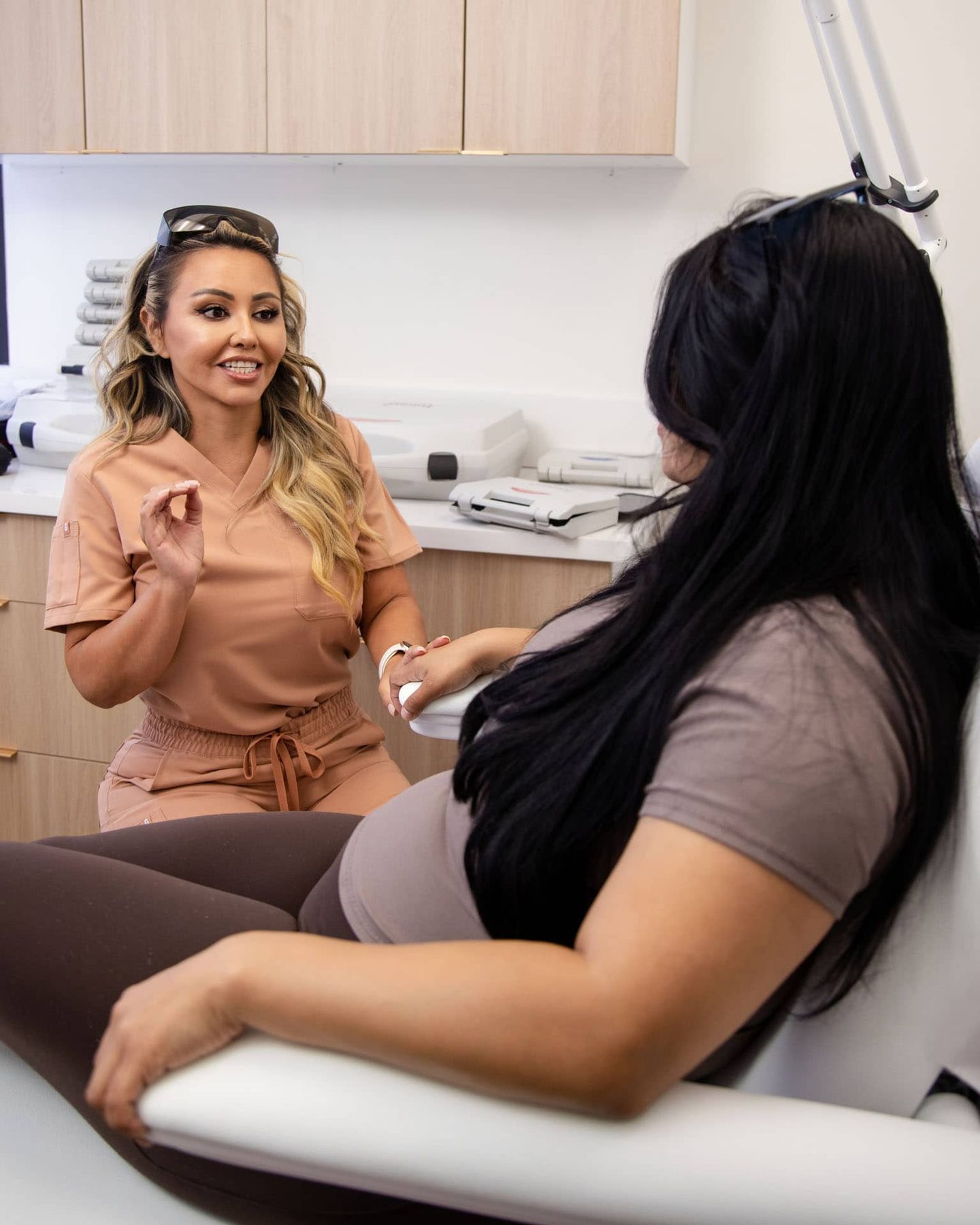
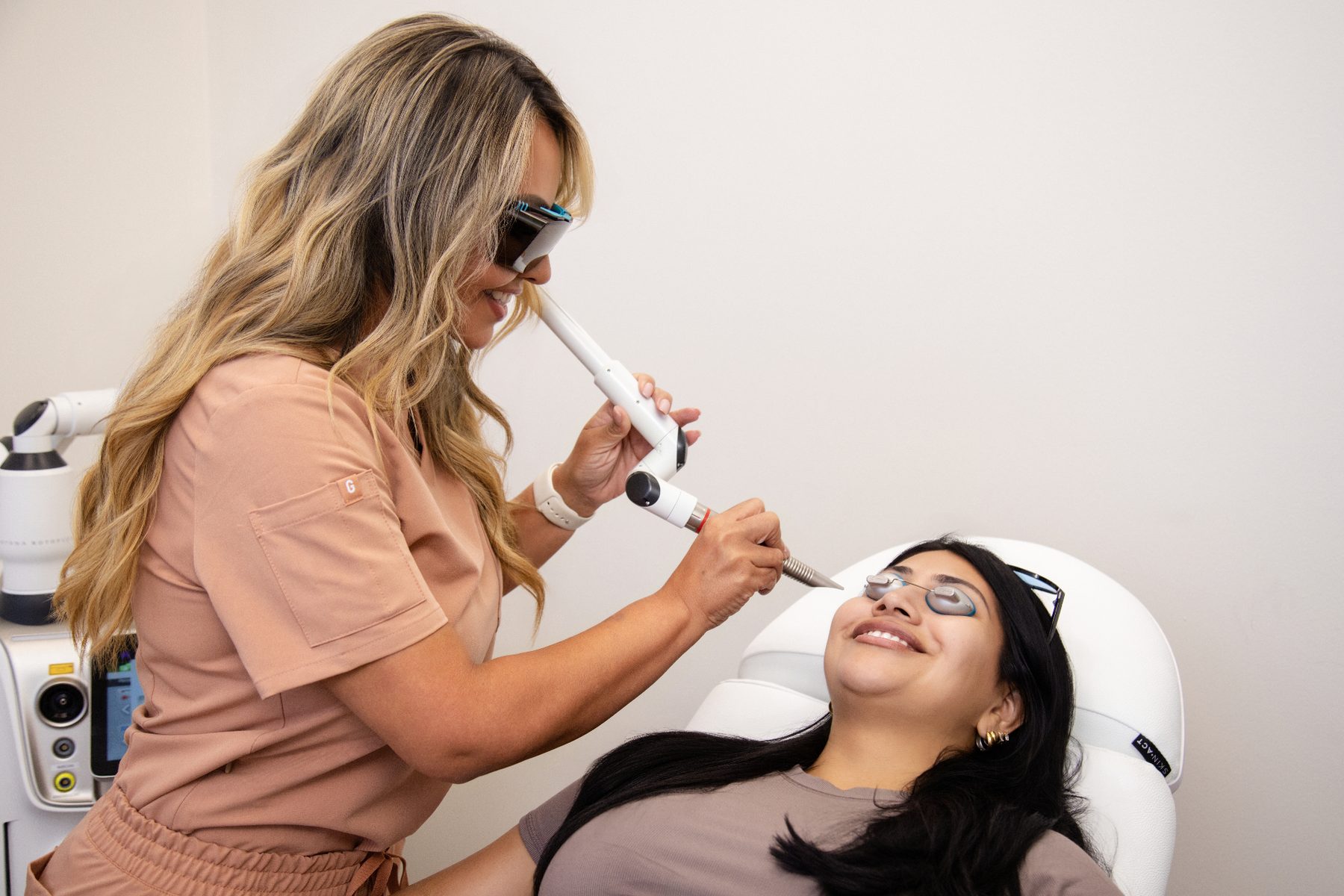
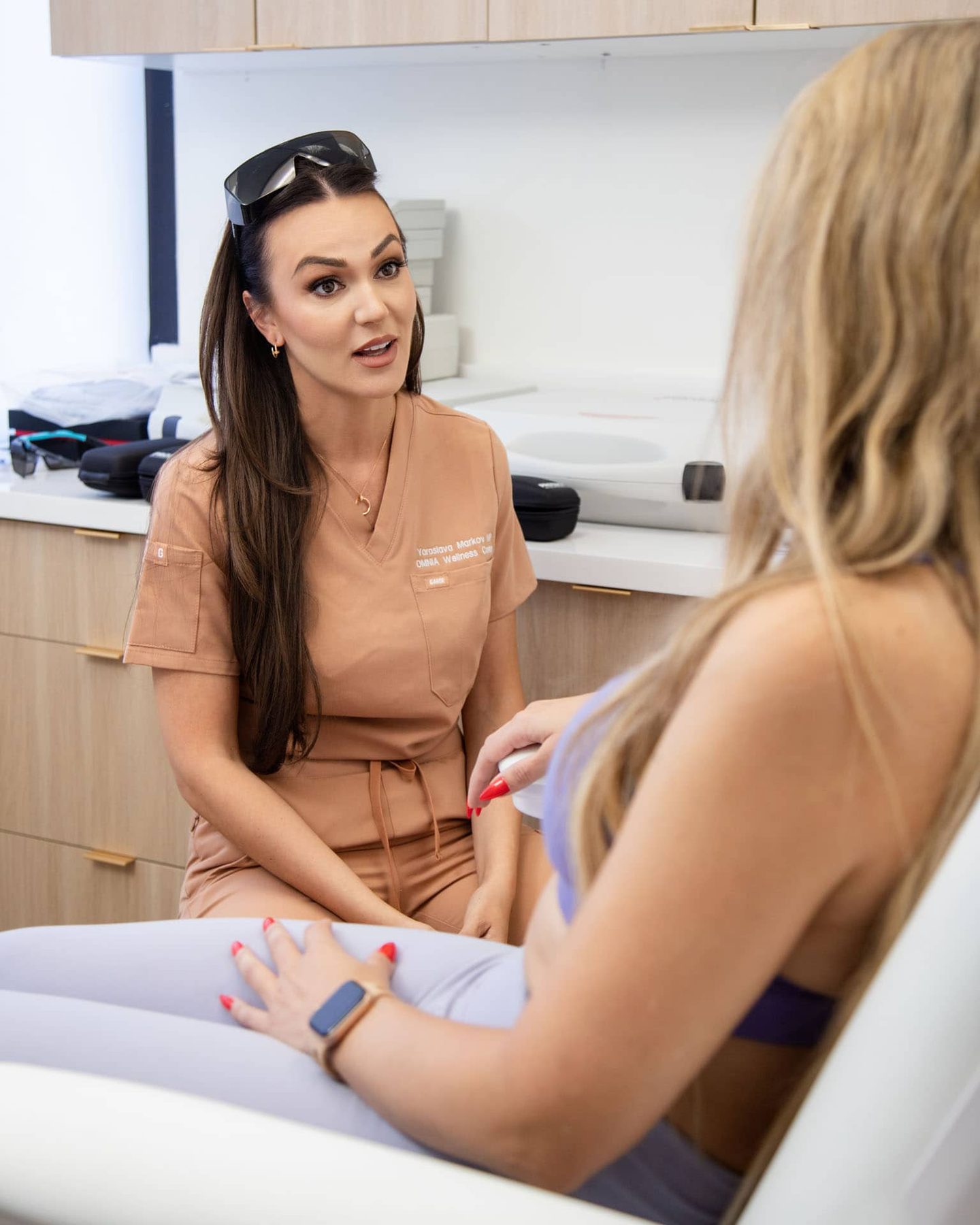
There is a reason so many people ask for skin treatments that do more with less. They want visible improvement, but they do not want the drawn, overfilled, or overtreated look. They want fresher skin, firmer contours, and better texture, yet they still need to show up at work, attend school events, sit in meetings, and go out to dinner without looking like they disappeared into recovery for two weeks.
That is where the appeal of the Fotona 4D Laser Facial, often associated with the TimeWalker platform, becomes easy to understand. It sits in a useful middle ground. It is more sophisticated than a basic facial, and gentler than aggressive resurfacing. For the right patient, it can offer gradual rejuvenation with relatively manageable downtime, especially when the treatment plan is customized rather than rushed.
In a place like Encino, where people tend to value polished but believable results, that balance matters. Patients often want skin that looks rested and healthy, not obviously “done.” The Fotona 4D Laser Facial (TimeWalker) Encino, CA conversation usually starts there, with the question almost everyone asks in one form or another: can I look better without putting my life on hold?
What makes Fotona 4D different
The name “4D” refers to a multi step laser approach that treats the skin in several dimensions rather than from a single angle. Instead of relying on one pass and one laser effect, the treatment is designed to address deeper support, surface texture, tone irregularities, and tightening in a layered way. In practical terms, that means a provider can work both inside the mouth and on the outer skin surface, using different settings to stimulate collagen and improve the look of aging skin.
This is one of the details that surprises first time patients. The treatment is not only about the skin you can see in the mirror. Part of the approach can target tissue from within the oral cavity to support the perioral area, the cheeks, and the lower face. That internal step is often discussed because it helps distinguish Fotona 4D from many standard laser facials.
The treatment is commonly described as gentle, but “gentle” needs context. It does not mean weak. It means the procedure is often more tolerable than ablative lasers that remove substantial portions of the skin surface. Patients usually experience warmth, prickling, and some transient discomfort, but many tolerate it well with topical numbing, depending on settings and the extent of treatment. The sensation varies from one step to another. A smoother, warming pass feels very different from a more textural resurfacing pass.
Results are also cumulative. Some patients see a fresher appearance fairly quickly because of mild swelling, improved light reflection, and early tissue response. The more meaningful changes, especially firmness and collagen remodeling, tend to emerge gradually. That timing matters, because unrealistic expectations create disappointment even when the treatment is technically successful.
Why patients in Encino ask for this treatment
Encino patients are often savvy. They have usually read about laser options, heard about microneedling with radiofrequency, tried peels, or considered injectables before they book a consultation. By the time they ask about Fotona 4D, they are often looking for one of a few specific outcomes.
Some want to soften early laxity around the jawline or mouth. Some are bothered by crepey texture under the eyes or on the cheeks. Others have sun exposure changes that become more visible in the strong Southern California light. Quite a few are not ready for surgery and are not interested in adding more filler. They want skin quality, not just volume.
This treatment can be particularly appealing to patients who look tired on camera, even when they feel fine in person. Modern lighting is unforgiving. Video calls, high resolution phones, and social media close ups make uneven texture and lower face heaviness more noticeable. A treatment that aims to refine the skin while supporting tighter contours has obvious appeal.
Lifestyle also plays a role. Encino is not a place where most people can vanish from public view for long. Even patients willing to invest in their appearance often prefer options with modest interruption. For the right candidate, that is one of the strongest arguments for considering the Fotona 4D Laser Facial (TimeWalker) Encino, CA instead of a more aggressive resurfacing treatment.
The TimeWalker connection
The TimeWalker name comes up frequently because it refers to a newer generation platform associated with Fotona technology. Patients sometimes assume this means every treatment on the platform is identical. It does not. A platform is a toolset, and outcomes depend on how the provider uses that toolset, what protocols are chosen, and whether the treatment is being tailored to real anatomy and skin condition.
That distinction is important. Two patients can both receive a “Fotona 4D” treatment and have noticeably different experiences based on energy settings, number of passes, pretreatment skin preparation, and how much emphasis is placed on tightening versus texture. One patient may be focused on perioral lines and lower face support. Another may care more about diffuse dullness, enlarged pores, and roughness on the cheeks. The same broad treatment category can be adapted, but only if the consultation is thoughtful.
A good consultation should not sound like a script. It should address your specific priorities, your timeline, your history with lasers or pigment issues, and your tolerance for downtime. It should also include some honest restraint. If your skin concern is deep static folds, significant volume loss, or substantial sagging, a laser facial may help, but it may not be the single best answer.
What concerns it may help improve
The most common improvements patients seek are not dramatic transformations. They are the details that make a face look more rested and more refined. Think of smoother texture, softened fine lines, better tone, a little more snap in the skin, and a subtle lift effect in areas that are just beginning to descend.
Fine perioral lines are one reason this treatment gets attention. The area around the mouth ages in a layered way. The skin thins, the texture changes, and the deeper structural support weakens. A multi step laser approach can sometimes address that area more elegantly than a one dimensional treatment. The same is true for mild lower face laxity, where a patient is not a facelift candidate or simply does not want surgery.
Texture concerns also respond well in many cases. Skin that has become rougher, less reflective, or more uneven can often look healthier after a series of treatments. Pores may appear less obvious. Makeup can sit better. The face catches light in a more flattering way, which is often the difference between Fotona 4D Laser Facial (TimeWalker) Encino, CA looking merely treated and looking genuinely refreshed.
Pigment is more complicated. Some patients do see brighter looking skin and improvement in mild discoloration, but laser selection and settings matter greatly, especially in patients with melanin rich skin or a history of post inflammatory hyperpigmentation. This is where experience counts. A provider should never treat all skin types with the same formula and expect good outcomes.
What a treatment session actually feels like
Many first time patients walk in imagining a spa facial with a laser wand. That is not quite right. It is still a medical treatment, and it should be approached with the seriousness of one. The skin is cleansed carefully. Photos are often taken. Topical numbing may be applied, depending on Fotona 4D Laser Facial (TimeWalker) Encino, CA the treatment plan and the patient’s sensitivity. Eye protection is used, and the provider proceeds through different phases of the session.
The intraoral component tends to be the most unfamiliar. Patients usually tolerate it well, but it feels strange at first because the laser energy is delivered from inside the mouth to target tissue support. The external steps feel warmer and more conventional, though certain resurfacing phases can produce a sharper, more prickly sensation. Most people describe the session as very manageable, particularly when the provider communicates well and does not rush.
After treatment, the skin can look pink to red, similar to a moderate sun exposure, though the degree varies. Some swelling is normal. A rough, sandpapery texture can develop during the healing period if a resurfacing pass is included. That stage is temporary, but it is worth planning for, especially if you have events on the calendar.
One practical point patients appreciate is that discomfort usually fades faster than they expect. The immediate post treatment period often feels warm and tight, but that tends to settle. The visible recovery is more about redness, dryness, and texture changes than lingering pain.
Downtime, recovery, and what real life looks like after
This is where nuance matters. “No downtime” is a phrase that gets used too loosely in aesthetics. A better phrase is “downtime that many people find manageable.” Some patients are comfortable returning to normal activities quickly with a little tinted sunscreen and strategic scheduling. Others, especially after a stronger session, prefer a few days before social plans or important meetings.
In the first day or two, skin may appear flushed and mildly swollen. Then the surface can feel drier and rougher as it heals. Not everyone peels in a dramatic way, but many notice fine shedding or bronzing, depending on the specific settings used. Good skincare during this period is simple but important. Gentle cleansing, bland hydration, sun avoidance, and diligent sunscreen use make a visible difference.
One of the most common mistakes is overdoing actives too soon. Patients who jump back into retinoids, acids, scrubs, or strong vitamin C products immediately can prolong irritation. In practice, the best recoveries often come from restraint. A calm barrier heals better than a constantly challenged one.
For patients in Encino, sun behavior matters more than they sometimes expect. Even short drives, lunch on a patio, or walking in and out of errands adds up. Southern California light is not forgiving after laser treatment. A wide brim hat and strict sunscreen use are not optional details. They are part of protecting the investment.
Who tends to be a good candidate
The ideal candidate is not simply someone who wants better skin. It is someone whose concerns match what the treatment does well. Mild to moderate signs of aging, early laxity, texture change, and a preference for natural looking improvement all tend to align nicely with this approach.
Patients who understand the value of a series often do best. While one treatment may provide a visible refresh, more durable improvement typically comes from multiple sessions spaced according to the provider’s plan. People looking for subtle but real change over time are usually happier than those hoping for a one day transformation.
The best candidates also tend to be realistic about skin behavior. Lasers can stimulate, refine, and tighten, but they cannot fully replace surgery when significant sagging is present, and they cannot restore lost facial volume in the same way filler or fat transfer can. Sometimes the smartest plan combines modalities. Other times the right answer is to skip treatment until the timing and goals make better sense.
When caution is warranted
Not every patient is a straightforward fit. Recent sunburn, active infection, certain inflammatory skin conditions, and some medication histories may call for postponement or modification. A history of hyperpigmentation, melasma, or keloid tendency deserves a careful conversation, not a casual sign off.
Skin tone also deserves specific attention. Laser rejuvenation can absolutely be performed safely across a broad range of skin types, but protocols should be adjusted thoughtfully. Anyone promising identical treatment for every face is oversimplifying a nuanced field. Conservative settings, pretreatment preparation, and close follow up may be appropriate depending on the patient.
Timing matters too. If you have a wedding, major photo session, or public event, do not book treatment at the last possible moment. Even when downtime is considered mild, skin can heal on its own schedule. The prudent move is to build in a buffer, especially if this is your first laser treatment and you do not yet know how your skin reacts.
How it compares with other rejuvenation options
Patients often ask where Fotona 4D sits relative to microneedling, radiofrequency, chemical peels, or more aggressive laser resurfacing. The answer depends on what bothers you most.
If your main issue is superficial dullness, a peel or lighter resurfacing option may be enough. If your priority is deeper tightening, radiofrequency based treatments may also enter the conversation. If your concern is etched lines and more advanced photoaging, a stronger ablative treatment might deliver more dramatic change, but with significantly more downtime and risk. Fotona 4D occupies a useful position because it can address several layers at once without demanding the same level of recovery as the strongest resurfacing procedures.
That said, “middle ground” should not be mistaken for “best for everyone.” Sometimes a patient would be happier with a simpler, less expensive approach. Other times they would benefit more from combining treatment categories rather than repeating the same laser session. Good aesthetic medicine is not about selling the most sophisticated device in the room. It is about matching the treatment to the person sitting in front of you.
Choosing a provider in Encino
Technology matters, but judgment matters more. If you are considering a Fotona 4D Laser Facial (TimeWalker) Encino, CA provider, the consultation should tell you a lot. You should feel that your concerns are being translated into a plan, not squeezed into a preset package.
Ask how the provider approaches skin type, downtime, maintenance, and complication management. Look for before and after photos that resemble your concerns, not only ideal cases. Pay attention to whether the discussion includes limits as well as benefits. The clinics that inspire the most trust are usually the ones willing to say, “This will help, but here is what it will not do.”
It is also reasonable to ask about the cadence of treatment. A thoughtful plan often includes an initial series, a maintenance schedule, and home care guidance that supports results without overwhelming the skin. Skin rejuvenation is rarely one and done. Patients who accept that early are usually more satisfied in the long run.
What kind of results feel realistic
The most satisfying results tend to be the ones that other people notice without immediately identifying. You may hear that you look well rested, healthier, or somehow brighter. Makeup may go on more smoothly. The lower face may look a little more supported. Fine lines may appear softened rather than erased.
That distinction is worth keeping. Erased is not usually the goal with a treatment like this. Improved is. The skin can look clearer, fresher, and more refined, while still looking like your skin. For many patients, especially professionals and parents who do not want a dramatic reveal, that is exactly the point.
Results also rely on maintenance and behavior. Smoking, inconsistent sunscreen use, poor sleep, and untreated rosacea or inflammation can blunt progress. By contrast, simple habits, regular protection from UV exposure, and a well chosen skincare routine can extend the benefits substantially.
The quiet appeal of subtle rejuvenation
There is something reassuring about treatments that do not force an all or nothing decision. Not everyone wants surgery. Not everyone wants filler. Not everyone wants aggressive downtime. Many people simply want to age with a little more control, a little more polish, and fewer signs of fatigue than their calendar would otherwise leave on their face.
That is the quiet appeal of the Fotona 4D approach. It respects the fact that skin aging is layered and that rejuvenation can be, too. For patients in Encino who want a treatment that feels modern but not extreme, effective but not harsh, it can be a very reasonable path.
The key is matching expectations to the treatment’s real strengths. Done well, it offers a refreshed version of your face, not a different one. For a great many people, that is not a compromise. It is the goal.
OMNIA Wellness Center
16430 Ventura Blvd Ste 207, Encino, CA 91436
Phone: +1 818-386-8511
FAQ About Fotona 4D Laser Facial (TimeWalker) Encino, CA
What is a Fotona laser good for?
Fotona lasers support several different aesthetic protocols. The Fotona 4D facial uses two wavelengths and four treatment modes to address concerns such as fine lines, skin texture, and mild laxity. OMNIA Wellness Center offers the TimeWalker facial with an individual consultation. Suitability and likely improvement depend on the person's skin and goals; results are not guaranteed, and this treatment does not reproduce a surgical facelift.
How much does a Fotona laser treatment cost?
The cost depends on the treatment protocol, areas treated, number of sessions, and provider's assessment. Ask OMNIA Wellness Center for a current written quote that explains what is included, whether follow-up is included, and any proposed package terms. An individualized estimate is more useful than assuming that one advertised price applies to every facial treatment.
How much downtime is there after a Fotona laser procedure?
Recovery varies with the specific protocol and intensity. Fotona describes its 4D facial as having little to no downtime, but temporary redness or sensitivity can occur, and a stronger surface treatment can require more recovery. Ask the treating clinician what to expect from the planned settings, how to care for the skin afterward, and when to contact the clinic with concerns.