Fotona 4D Laser Facial (TimeWalker): Everything You Need to Know
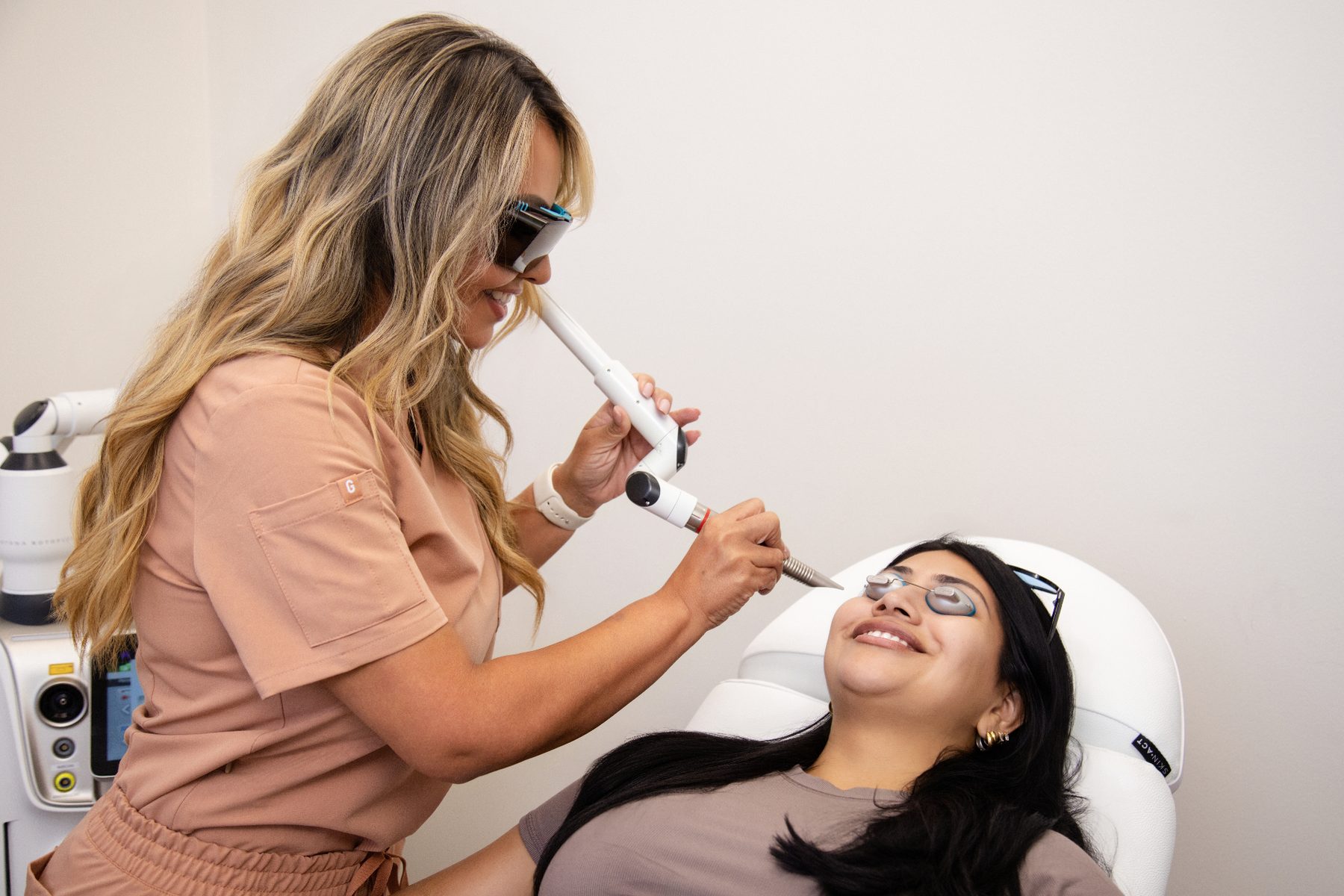
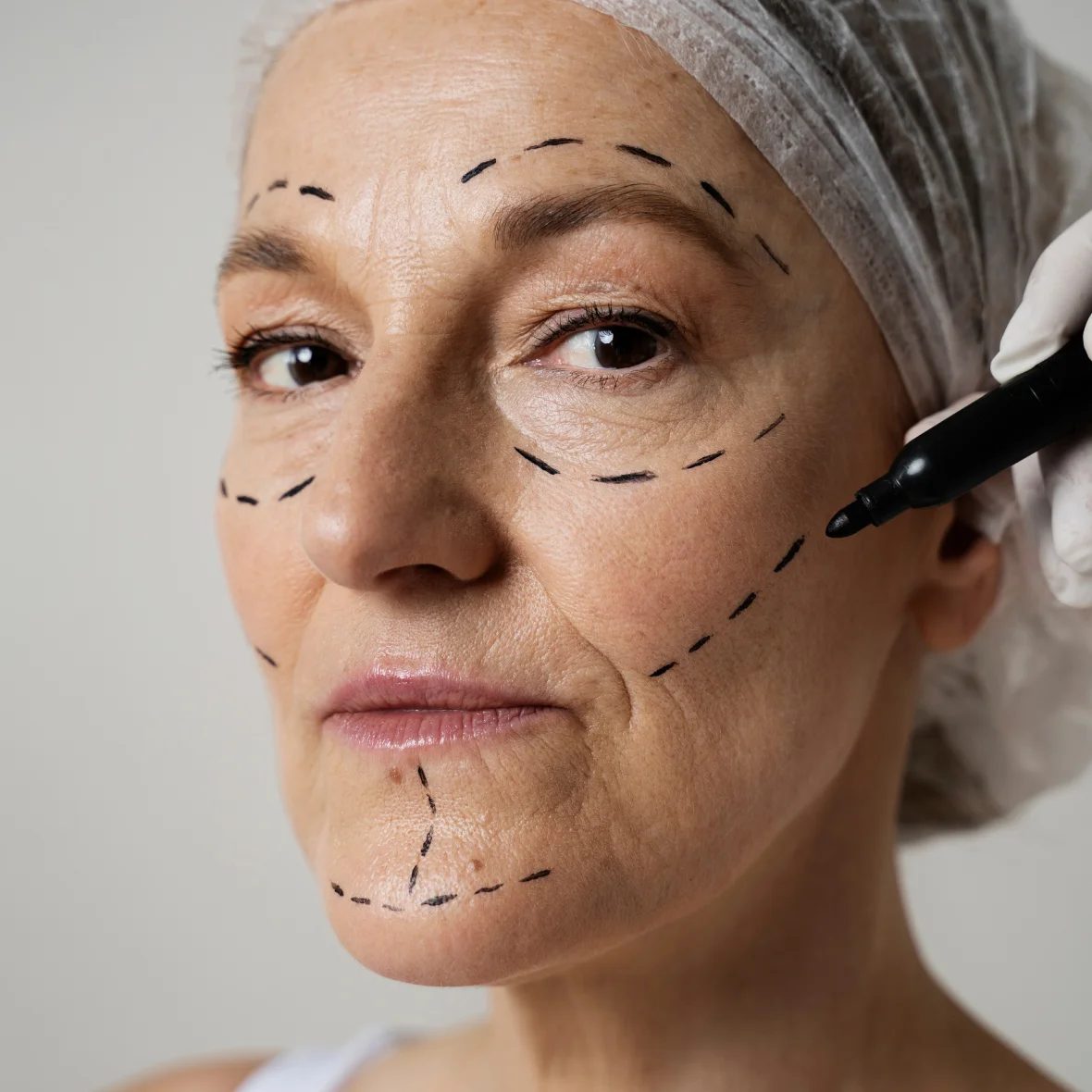
The Fotona 4D Laser Facial, sometimes referred to in clinics as TimeWalker, sits in an interesting category of aesthetic treatments. It is not a traditional facial in the spa sense, and it is not the same as a fully ablative laser resurfacing procedure that leaves patients hiding at home for a week or more. It is better understood as a layered laser protocol designed to tighten, smooth, refresh, and brighten the skin by treating both the inside and outside of the face.
That combination is what makes people curious about it. Most energy-based treatments do one thing especially well. Some focus on pigment, others on redness, and others on skin tightening. Fotona 4D tries to stack several goals into one session by using different laser modes in a specific sequence. When it is done well, the result can look polished rather than overdone. Skin appears firmer, pores look softer, fine lines are less obvious, and there is often a subtle lift around the lower face and mouth.
The promise sounds impressive, but the reality depends on the patient, the device settings, and the skill of the person operating it. This is not a treatment to choose from a glossy menu alone. It helps to understand what it actually is, how it feels, who tends to benefit most, and what limitations matter in real life.
What the Fotona 4D Laser Facial actually is
Fotona is a laser platform that uses two wavelengths, Er:YAG and Nd:YAG, in different treatment modes. The 4D concept refers to four stages of treatment, each targeting a different tissue depth or concern. In practice, many providers customize the sequence, intensity, or number of passes depending on skin quality, age-related laxity, acne scarring, and downtime tolerance.
One of the most talked-about features is the intraoral treatment, where the laser is used inside the mouth along the cheeks. Patients are often surprised by this, but it is a key part of the protocol. The idea is to contract tissue from the inside, especially around the nasolabial folds and lower face, without injectables or surgery. It sounds unusual until you realize that much of facial aging is structural. Treating only the skin surface often misses that deeper support issue.
The external steps then build on that internal tightening by addressing texture, superficial lines, and overall skin quality. Some clinics market the Fotona 4D Laser Facial (TimeWalker) as a lunch-break treatment. That description can be a little optimistic, depending on the settings used. Many people return to normal activities quickly, but “quick recovery” is more accurate than “no downtime” for a lot of patients.
Why the treatment has become so popular
Part of the appeal is that it sits between categories. Patients who are not ready for surgical lifting often want more than what a mild peel or standard facial can deliver. At the same time, they may not want the social downtime of aggressive resurfacing. Fotona 4D has gained traction because it offers a middle path.
Another reason is that it often works well for people whose main complaint is that they look tired or a little heavy around the mouth and jawline, even though they are Fotona 4D Laser Facial (TimeWalker) not severe enough to justify surgery. That group is large. In everyday practice, these are the patients who say things like, “My skin is not terrible, but it is not crisp anymore,” or “I look fine in the morning and worn out by late afternoon.”
For that type of concern, a staged laser approach can be more useful than a single-purpose treatment. A person with mild laxity, crepey skin around the eyes, enlarged pores on the cheeks, and early smoker’s lines around the lips usually needs more than one mechanism. Heat-induced collagen remodeling, superficial resurfacing, and a touch of tightening from inside the mouth can produce a more coherent result than addressing each issue separately.
The four layers, and what each one does
Different providers may describe the four steps with slightly different branding, but the classic Fotona 4D sequence generally includes a deep intraoral tightening step, a deeper fractional or bulk-heating step, a mid-depth tightening pass, and a light resurfacing finish.
The intraoral stage is often called SmoothLiftin. The laser is passed along the inside of the cheeks and around the mouth to stimulate collagen contraction and remodeling. Patients usually describe it as warm rather than painful. This is the part aimed at softening folds and giving subtle support to the lower face.
The second stage often uses a Nd:YAG mode to heat deeper tissue. This is where the tightening component gets more serious. It is less about visible peeling and more about controlled thermal stimulation. The provider may focus on the jawline, cheeks, and under-chin area if laxity is a major concern.
The third step can target more superficial imperfections and can also help with redness, uneven tone, or textural concerns depending on settings. This stage tends to bridge deeper collagen work and surface refinement.
The final phase, often a light Er:YAG polish, is what many patients notice first in the mirror over the next several days. Skin can look smoother and brighter, with a fresher surface quality. Pores often appear smaller, makeup sits better, and the face reflects light more evenly.
This layered design is the main strength of the Fotona 4D Laser Facial (TimeWalker). It tries to create a result that feels multidimensional rather than one-note.
What it feels like during treatment
Patients usually want the practical answer first, which is this: it is tolerable for most people, but not identical for everyone. Pain perception varies a lot, and settings matter. A lighter protocol for glow and mild tightening feels very different from a more assertive treatment aimed at visible remodeling.
The intraoral portion is awkward more than painful. There is warmth, pressure, and the odd sensation of a laser handpiece moving inside the cheek. The external tightening passes can produce a hot snapping feeling. The polishing step often feels pricklier and may leave the face pink and warm afterward, similar to a stronger sun exposure.
Topical numbing is sometimes used, though not always necessary for the entire protocol. Good providers talk patients through the treatment in real time, because anxiety often amplifies discomfort more than the actual energy does. Cooling, careful pacing, and adjusting settings for sensitive areas make a significant difference.
If someone tells you it feels exactly like a relaxing facial, that is marketing language, not a clinically useful description. It is a laser treatment. It can be very manageable, but it still involves heat, stimulation, and a short recovery period.
What recovery really looks like
Recovery is one of the most misunderstood parts of laser marketing. With Fotona 4D, downtime can be mild, moderate, or somewhere in between depending on intensity and your skin’s reactivity.
Immediately after treatment, most people are pink to red and slightly puffy. That usually settles within a day or two. Some have a sandpapery texture for several days as the surface renews. Dryness is common. If the polishing step was stronger, there may be mild flaking. Patients who flush easily or have sensitive skin can stay pink a little longer.
What surprises people is that the full result does not show up on day two. There is often an early glow from mild swelling and surface smoothing, then a quieter period, and then gradual improvement over several weeks as collagen remodeling develops. This is not unusual with energy-based treatments. Immediate brightness and long-term tightening are driven by different processes.
A simple aftercare routine is usually enough:
- Use a gentle cleanser and bland moisturizer for several days.
- Avoid retinoids, exfoliating acids, and scrubs until the skin feels normal again.
- Protect the skin carefully from sun exposure, ideally with a broad-spectrum SPF 30 or higher.
- Skip very hot exercise, steam rooms, and aggressive heat exposure for the first day or two.
- Contact the clinic if swelling, crusting, or prolonged irritation seems out of proportion.
Most patients can return to work quickly, especially if they do not mind a little residual pinkness. If you have an important event, giving yourself at least a week is the safer choice. In clinic schedules, the people happiest with laser outcomes are often the ones who plan for recovery honestly instead of squeezing treatment into a crowded calendar and hoping for the best.
Who tends to be a good candidate
The best candidates are usually people with early to moderate signs of aging who want improvement in firmness, texture, fine lines, and overall skin quality without surgery. It can also be a useful option for some younger patients who are starting to notice laxity around the mouth or jawline and want a preventive collagen stimulus.
Skin type matters. Fotona systems can often be used across a wide range of skin tones, but settings must be chosen carefully. This is one of those areas where expertise really matters. A safe and effective treatment for fair, sun-damaged skin may not be the right treatment plan for a patient prone to post-inflammatory hyperpigmentation. Pre-treatment preparation may need to be different, and expectations should be adjusted accordingly.
The treatment can be especially attractive for patients bothered by etched lip lines, softening jawline definition, enlarged pores, mild acne scarring, and that slightly crumpled look that skin develops before more advanced sagging sets in. It is less ideal for someone with very heavy jowls, significant neck laxity, or volume loss that is primarily structural. In those cases, laser can help the skin, but it will not replace what surgery, fillers, biostimulators, or other modalities may do better.
A quick self-check can help frame expectations:
- You want visible improvement, not a surgical-level lift.
- You can tolerate a few days of redness or texture changes.
- Your main concerns include early laxity, fine lines, uneven texture, or dullness.
- You are willing to do a series if recommended, rather than expecting one session to solve everything.
- You plan to maintain results with skincare, sun protection, and periodic follow-up treatments.
How many sessions are usually needed
This depends on the starting point and the endpoint. A single session can absolutely produce a brighter, smoother, tighter-looking result, particularly before an event or after a period of stress, travel, or neglected skincare. But when the goal is true collagen remodeling and visible tightening, many clinicians recommend a series of three treatments spaced several weeks apart.
That recommendation is not just upselling when it is clinically justified. Collagen remodeling is cumulative. Think of it less like flipping a switch and more like sending repeated repair signals to the skin and supporting tissue. For mild concerns, one treatment every few months may be enough. For more established laxity or textural change, a short series followed by maintenance tends to work better.
Age plays a role too. A 35-year-old with good skin quality and early laxity may respond quickly. A 58-year-old with years of sun damage, thinning skin, and gravity-related changes may still see improvement, but the treatment has more ground to cover and often needs a broader plan.
How it compares with other treatments
Patients rarely choose in a vacuum. They are often deciding between Fotona 4D, radiofrequency microneedling, ultrasound tightening, fractional CO2, peels, or injectables. Each has a different profile.
Compared with traditional ablative resurfacing, Fotona 4D is generally gentler and involves less downtime, but it is also less dramatic for deep wrinkles and severe photodamage. Compared with radiofrequency microneedling, it avoids needles and the associated pinpoint trauma, which some patients strongly prefer. Compared with ultrasound-based lifting, it often offers more visible surface improvement in texture and radiance, while still addressing some tightening.
Its sweet spot is combination change. If a patient says, “I want my skin to look tighter, smoother, and less tired,” it is often worth considering. If they say, “I need my neck lifted and my jowls erased,” this is where honest counseling matters. No device should be sold as a substitute for surgery when it plainly is not.
Injectables are worth mentioning because many patients compare them indirectly. Botox treats dynamic muscle movement. Fillers restore volume. Biostimulators encourage collagen over time. Laser improves skin quality and can contribute to tightening. These categories overlap in appearance, but not in mechanism. Often the best outcomes come from combining them thoughtfully rather than asking one treatment to do the work of four.
The subtle but important issue of provider skill
This is where real-world results separate themselves. A good device in unskilled hands can produce mediocre outcomes. A skilled provider can tailor depth, density, pulse duration, and sequencing based on anatomy, skin thickness, color, healing behavior, and patient priorities.
For example, perioral lines need a different approach from acne scars on the cheeks. Thin, reactive skin does not tolerate the same strategy as thicker sebaceous skin. Someone preparing for a wedding in ten days needs a different intensity than someone happy to accept a week of roughness in exchange for a stronger result.
Experienced providers also know when not to push. Overtreating the wrong patient can lead to prolonged redness, irritation, or post-inflammatory pigment issues without a proportionate benefit. Conservative treatment that can be repeated usually ages better, clinically and cosmetically, than one aggressive session driven by sales pressure.
This is why consultation quality matters. The useful consult is the one where the practitioner examines skin texture in good light, asks about melasma, cold sore history, prior laser experience, tanning habits, and tolerance for downtime, then explains what this treatment can and cannot realistically do. If the conversation sounds too perfect, be cautious.
Risks and side effects worth taking seriously
The common side effects are redness, swelling, warmth, dryness, and short-term sensitivity. Those are expected. Less common issues include prolonged erythema, acne flares, cold sore reactivation in prone patients, and temporary or, rarely, persistent pigment changes.
People with melasma need especially careful counseling. Heat-based treatments can sometimes aggravate pigment instability, even when the laser is not targeting pigment directly. That does not automatically rule someone out, but it changes the strategy. Pretreatment, lower settings, test spots, and strict aftercare may all come into play.
There is also the issue of disappointment, which is not a medical complication but is still a real outcome. It usually happens for one of three reasons. The patient expected surgery-level lifting. The treatment was too light for the concerns being treated. Or the clinic failed to explain that collagen results take time. Managing that gap before treatment is one of the most valuable parts of ethical aesthetic practice.
Cost and value
Prices vary widely by geography, provider type, and how extensive the protocol is. In many markets, a single Fotona 4D Laser Facial (TimeWalker) session may range from several hundred to well over a thousand dollars. A series multiplies that, though clinics sometimes package sessions together.
Whether it is “worth it” depends on what you are comparing it to. If someone wants modest but visible rejuvenation with relatively limited downtime, it can represent good value. If they have severe laxity and keep spending on repeated nonsurgical treatments hoping to avoid surgery indefinitely, the economics can become frustrating.
Value also depends on the treatment plan being coherent. A well-chosen series for the right patient usually feels worthwhile because the improvements stack in a believable way. A random one-off session sold as a miracle tends not to satisfy anyone.
A realistic timeline for results
Most people notice an early freshness in the first week. Skin often looks cleaner, smoother, and more reflective. Fine texture may improve quickly. Tightening is slower. Around four to twelve weeks, collagen-related changes become more apparent, especially in the lower face and around the mouth.
That delayed payoff matters. It also explains why some patients dismiss a treatment too early and others love it at the two-month mark. The treatment has both immediate cosmetic effects and slower biologic effects. Knowing which is which helps you judge the outcome fairly.
In practice, the best before-and-after comparisons are rarely taken the day after treatment. They are usually more meaningful a month or two later, under consistent lighting, without makeup, and without smiling harder in the after photo than in the before.
Questions to ask before booking
A strong consultation is usually more informative than hours of scrolling through social media before-and-afters. Ask who will perform the treatment, how often they do it, what kind of response they expect for your specific concerns, how much downtime is typical at the settings they plan to use, and whether they think you need one session or a series.
Ask what they would choose instead if you were not a good candidate. That question tends to reveal whether the recommendation is thoughtful or simply convenient. Good clinicians have no trouble saying, “This will help, but it is not your best option,” when that is the truth.
If you are prone to hyperpigmentation, mention it early. If you have ever had a cold sore, mention that too. If you are using prescription retinoids or pigment suppressants, bring that up. The details matter more with laser than many first-time patients realize.
Where the treatment shines, and where it does not
The Fotona 4D Laser Facial shines when someone wants a refreshed, refined, tighter version of their own face. It is good at improving the quality of skin. It is often good at softening the tired look that develops around the mouth and cheeks. It can be especially satisfying for patients who feel they are aging in several small ways at once rather than one dramatic way.
It is not the best tool for every problem. It will not restore significant lost facial volume. It will not remove heavy jowls. It will not outperform a strong resurfacing laser for deeply etched wrinkles if a patient is willing to accept substantial downtime. And it will not replace disciplined skincare, sun protection, or realistic expectations.
That may sound limiting, but it is actually why the treatment has Fotona 4D Laser Facial (TimeWalker) staying power. Good aesthetic treatments do not need to be everything. They need to do their own job well. When the right patient chooses the Fotona 4D Laser Facial (TimeWalker) for the right reasons, it often delivers a result that friends notice without immediately identifying what changed. In cosmetic medicine, that quiet credibility is usually the best kind of success.
OMNIA Wellness Center
Address: 16430 Ventura Blvd Ste 207, Encino, CA 91436
Phone: (818) 386-8511
FAQ About Fotona 4D Laser Facial (TimeWalker)
What are the benefits of Fotona laser treatment?
OMNIA offers this treatment for concerns such as uneven texture, dull tone, and fine lines. Results and the number of sessions vary, so discuss your goals with a provider.
Is Fotona laser safe?
A qualified provider should review your skin, medical history, medications, and recent sun exposure to determine whether the treatment is appropriate. Ask about possible irritation, pigment changes, and aftercare before booking.
How much does a Fotona 4D facelift cost?
Price depends on the treatment plan and number of visits. Ask OMNIA for an itemized estimate during your consultation.